Advancing Fisheries Systems
Fisheries are continuing to evolve as new technologies reshape how gear is deployed, tracked, and retrieved. Systems that reduce reliance on persistent surface infrastructure introduce new ways to manage fishing activity while maintaining visibility and control. These developments support a transition toward more adaptable and responsive fishing methods that align with changing environmental and operational requirements.
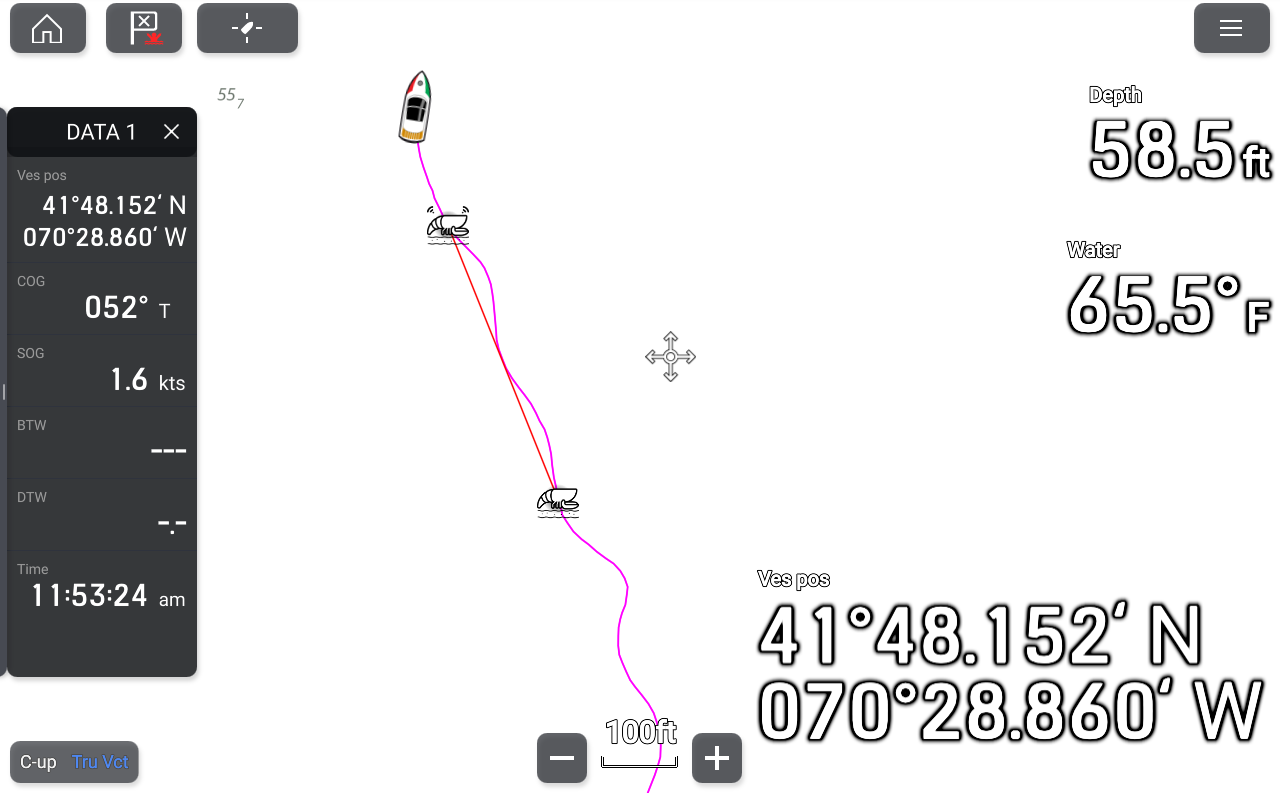
As access to certain fishing areas becomes more dependent on gear configuration, systems that eliminate persistent surface presence create a pathway for continued use of these regions. On-demand retrieval and digital gear reporting support a model where fishing activity can adapt to spatial restrictions without relying on traditional surface marking. Over time, these approaches allow fisheries to operate within evolving access requirements while maintaining consistency in how gear is deployed, tracked, and retrieved.
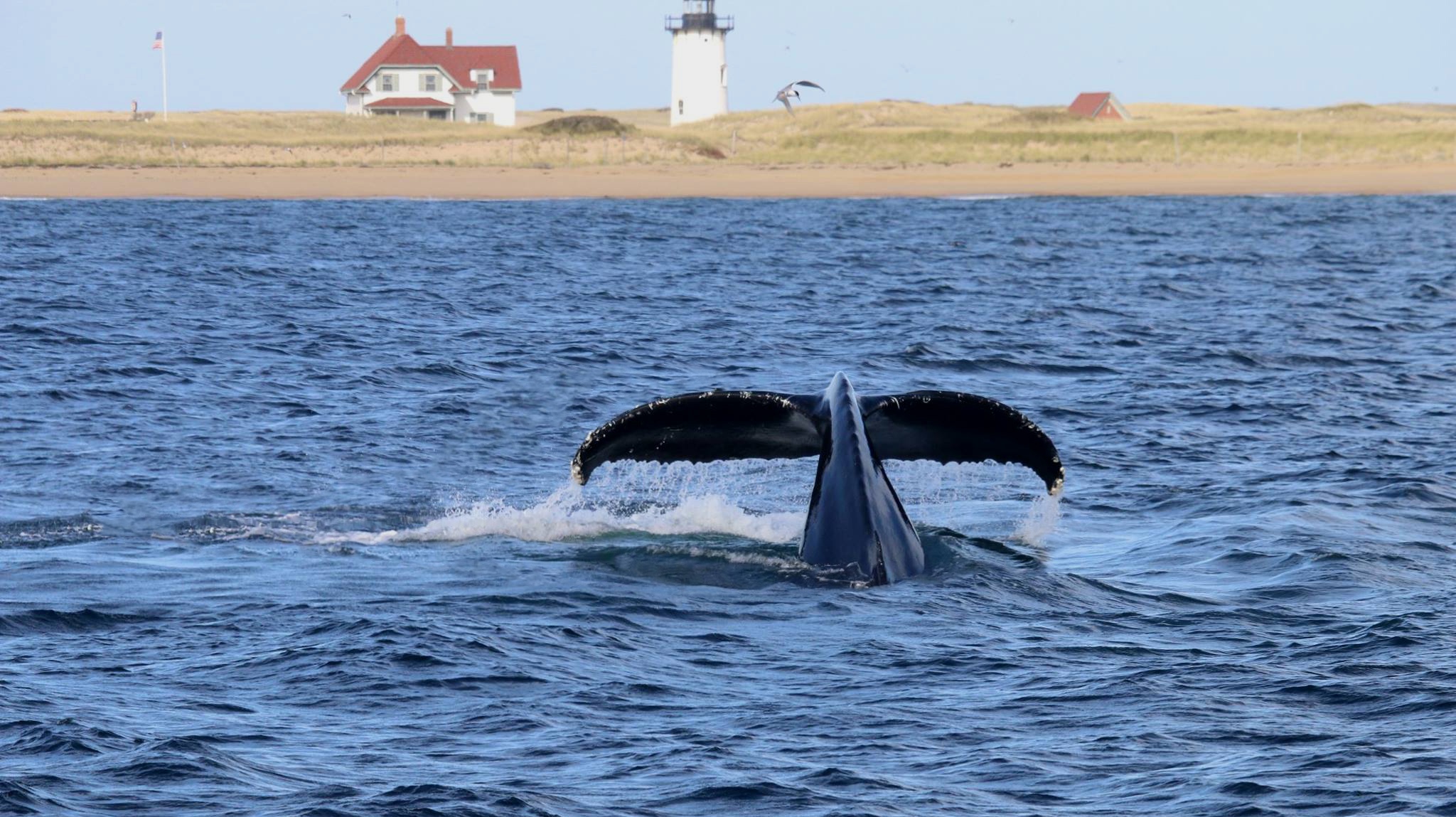
Digital gear visibility and acoustic marking establish a foundation for more coordinated use of shared fishing areas. As these systems become more widely adopted, they support a shift toward structured awareness of gear presence across fleets. This allows for more organized spacing of gear, improved coordination between different fishing methods, and a clearer understanding of how areas are being used over time.
The integration of cloud-based reporting and subsea communication systems creates new opportunities for how gear is tracked and understood. These systems support improved record keeping, visibility, and situational awareness without relying on physical markers. As adoption increases, digital systems provide a more consistent and scalable method for understanding gear distribution and activity.
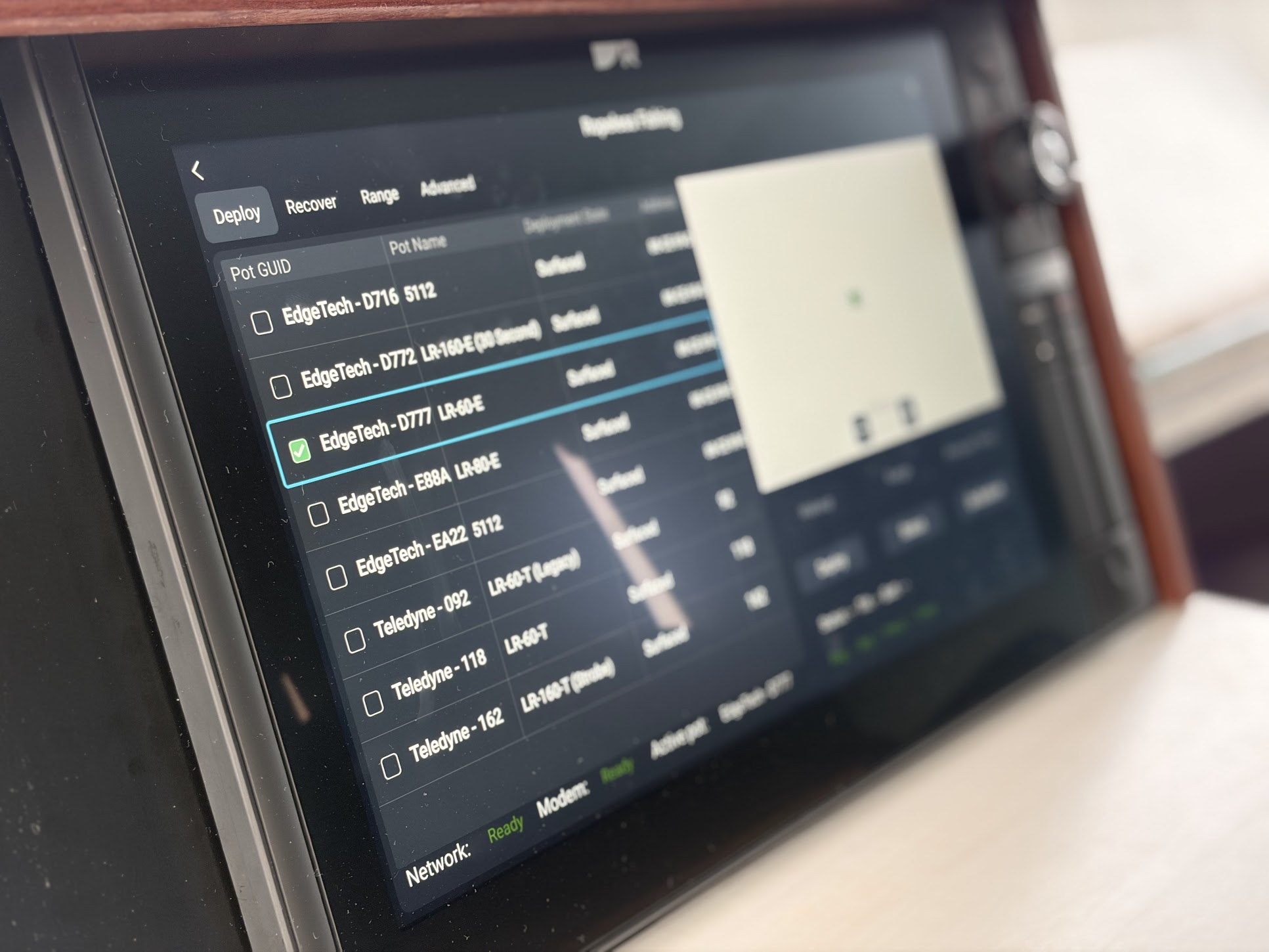
The development of interoperable systems introduces a pathway toward more consistent control methods across different technologies. As integration between acoustic systems, vessel electronics, and digital platforms improves, operators are able to interact with multiple systems through a unified interface. Over time, this reduces complexity and supports broader compatibility across fleets and regions.
The continued development of marine technologies supports expanded collaboration between fisheries, researchers, and technology providers. Platforms that enable testing, deployment, and data collection allow new systems to be evaluated under real conditions. This process supports ongoing refinement and contributes to a broader understanding of how technology can be applied across different marine environments.

1003 Iowa Heights Road
Sedro Woolley, WA 98284
360-303-9388
info@smelts.org