OUR STORY

Built Through Design, Testing, And Constant Iteration

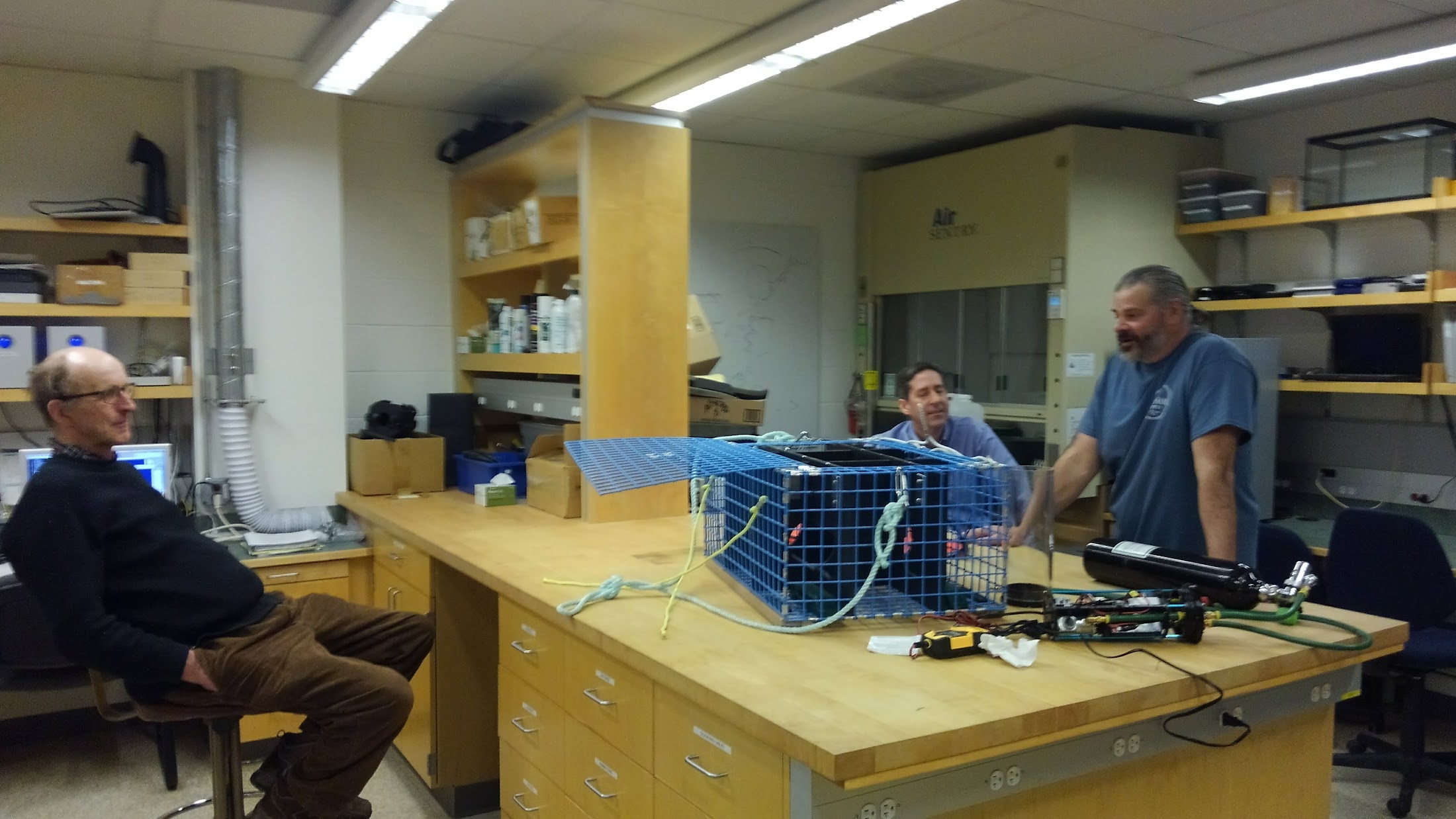
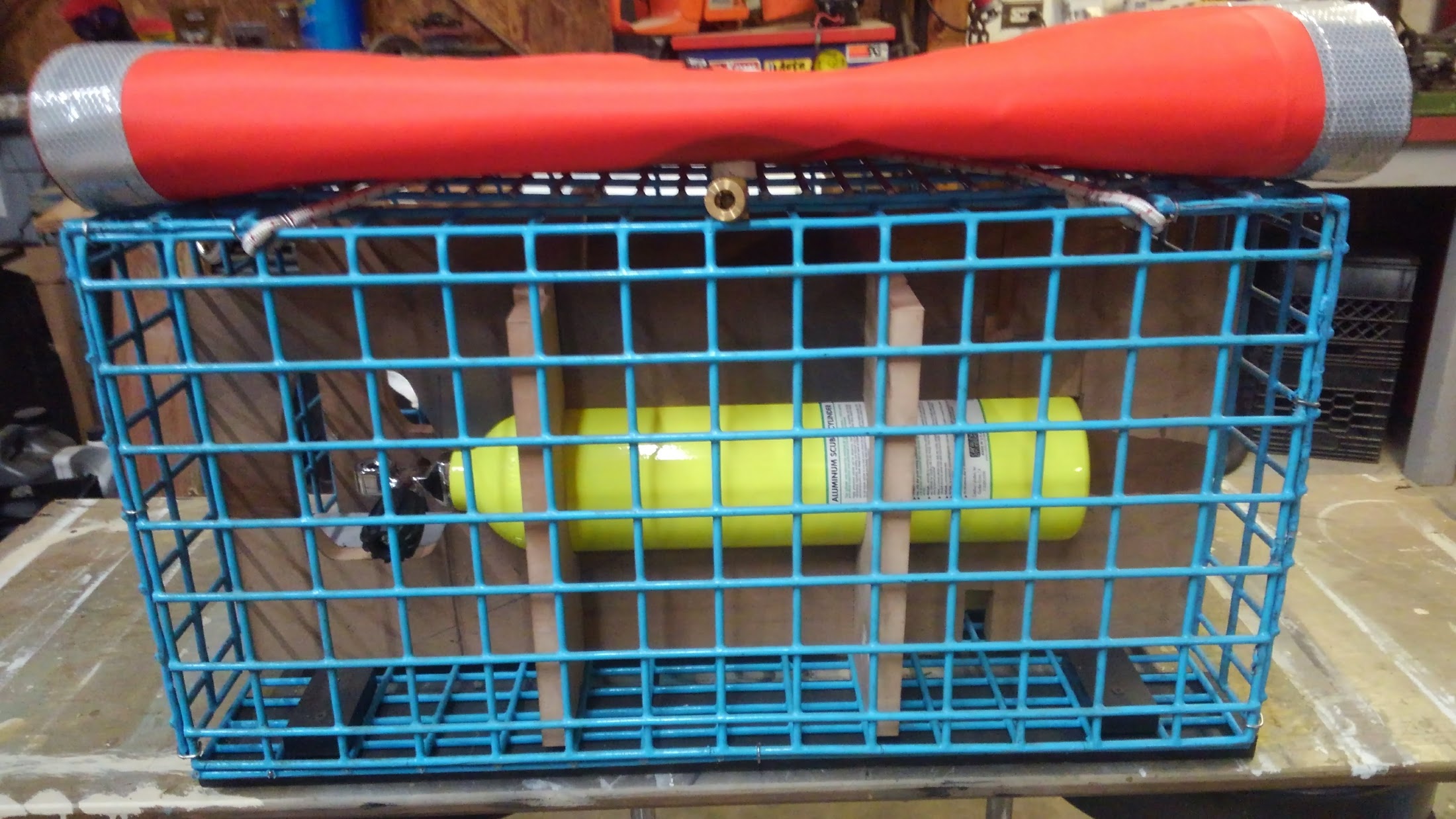
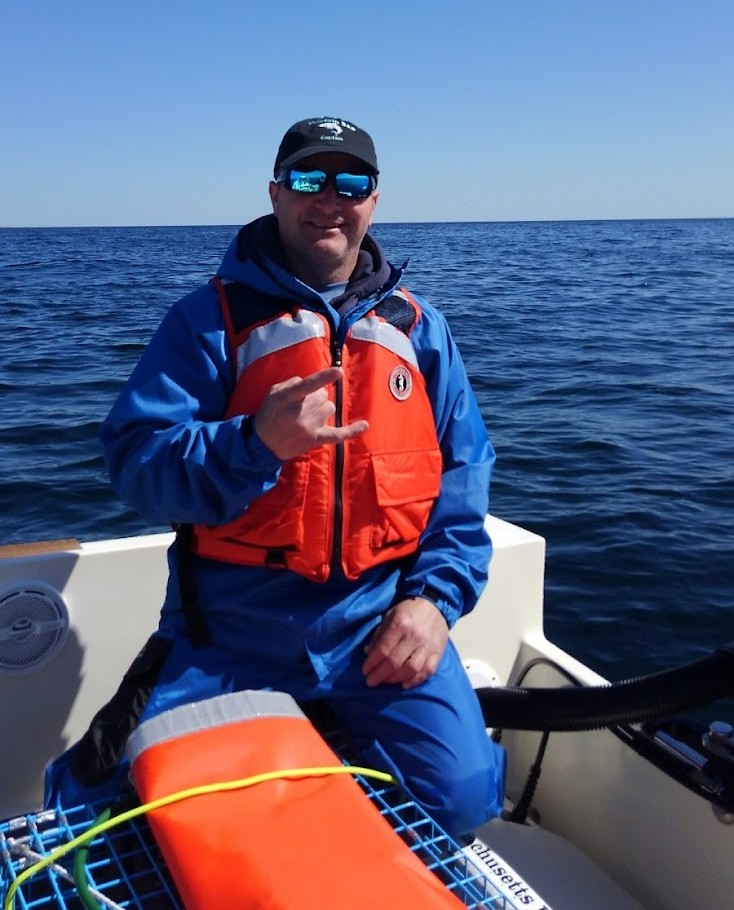
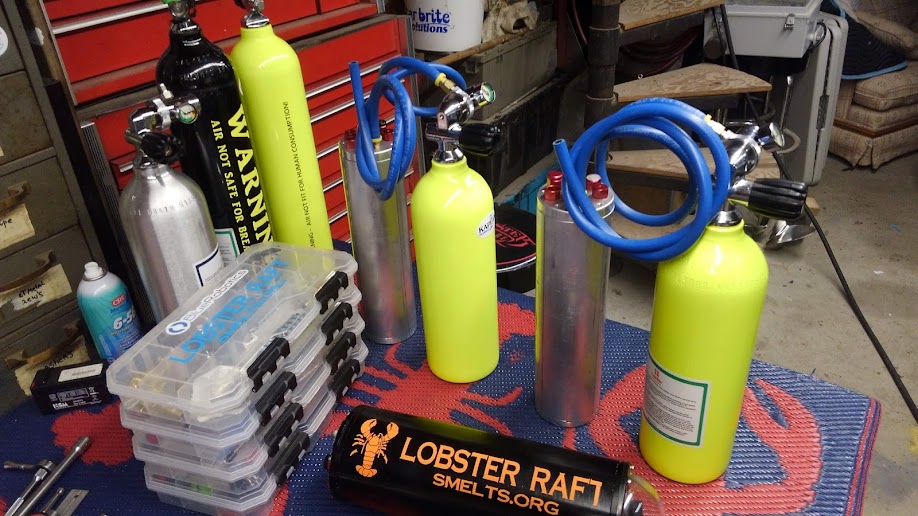
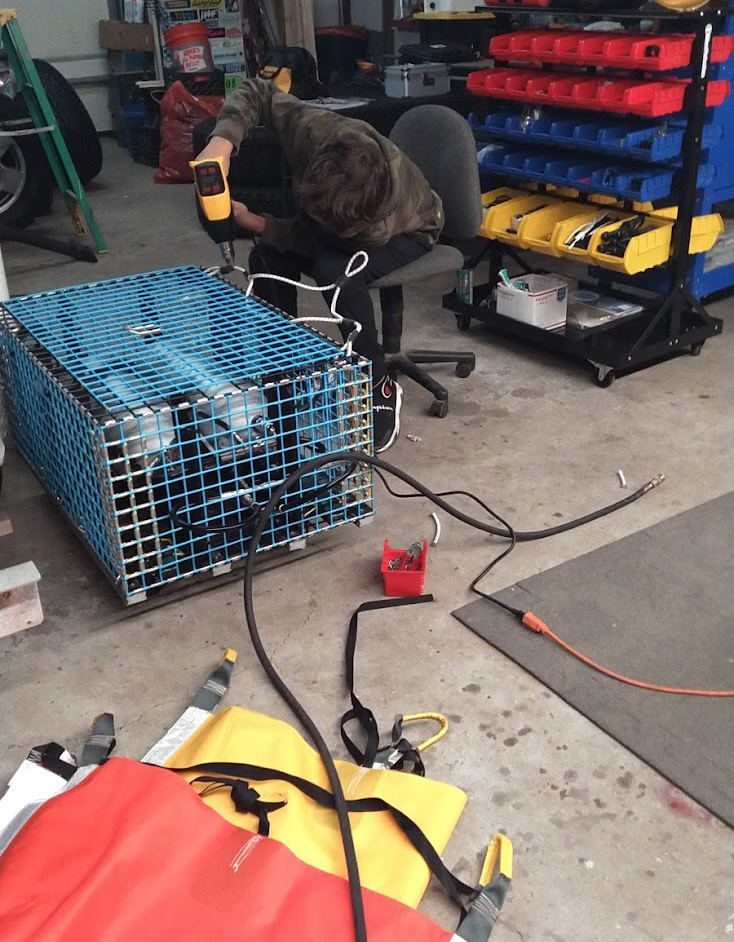
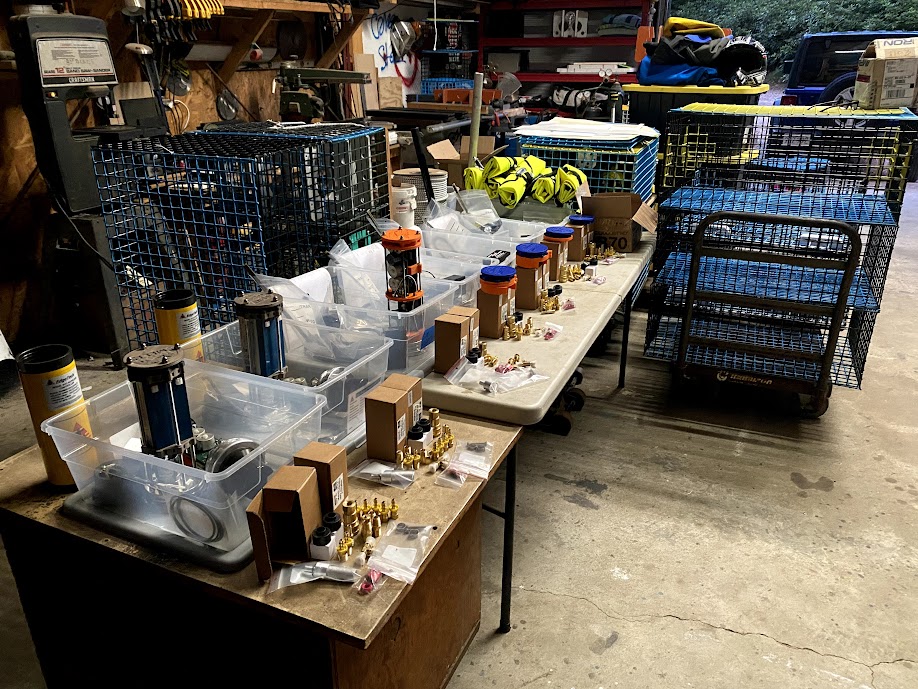
SMELTS was built from hands-on development in the field, where early concepts were tested, refined, and improved through real-world use. What began as a focused effort to solve specific challenges in fisheries has grown into a broader platform for marine technology development. Each system reflects a process of continuous iteration, shaped by feedback, field conditions, and a commitment to building solutions that perform reliably where they are used.
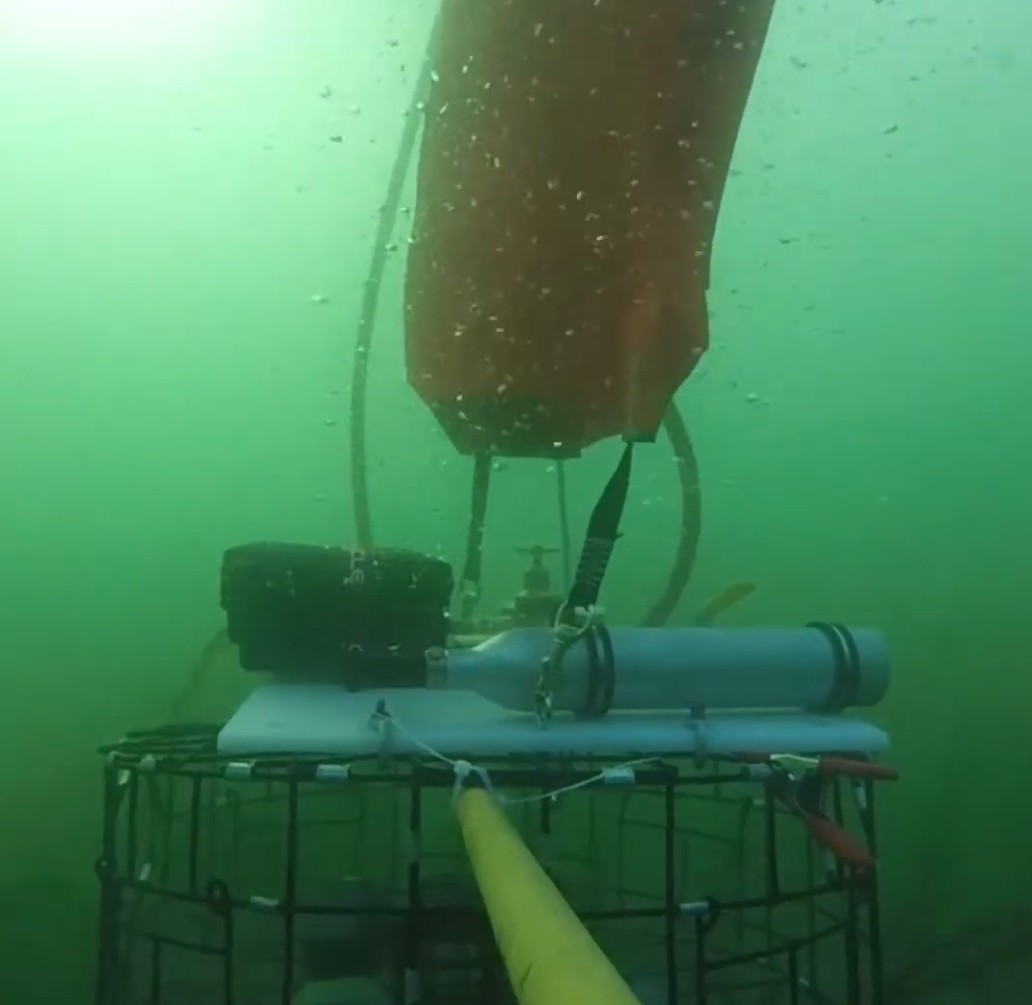
Early 2014
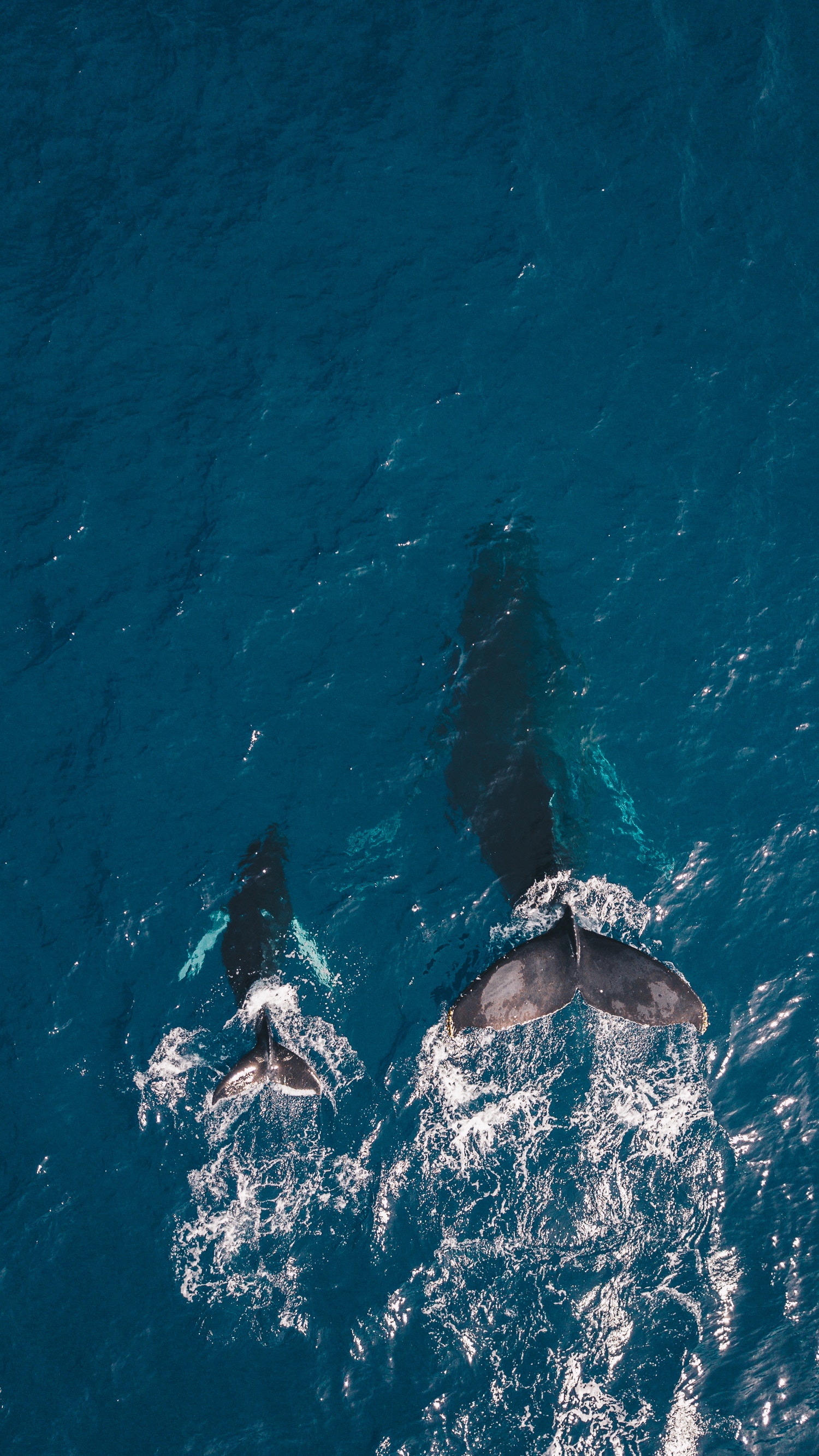
SMELTS was founded in 2014 as a state nonprofit with the initial goal of reducing bycatch in fisheries.

Early work was driven by hands-on involvement in disentanglement operations, providing direct exposure to the challenges faced in the field. At this stage, the focus was on identifying a problem and building a practical solution that could make a measurable impact.
Late 2014 - Early 2016
Between 2014 and 2016, development focused on building and testing early prototypes. Initial systems used simple timer-based mechanisms paired with lift bag concepts, with the goal of proving reliable operation at depth. Testing took place in a variety of environments, including trials on the West Coast.

These early designs were intentionally simple, prioritizing functionality and proof of concept over refinement.
Mid 2016
As experience in the field grew, particularly through work connected with the Center for Coastal Studies around 2016, the scale of the issue became more apparent.

The mission expanded beyond bycatch to include broader challenges such as marine debris and the need for new ocean technologies. This marked a shift toward developing solutions that could operate at a larger, system-wide level.
Mid 2017
In 2017, a pivotal moment occurred at a marine mammology conference during a public right whale science panel.

Public discussions emphasized the severity of the species’ decline and the lack of viable solutions. In response, a working system was presented, supported by video evidence demonstrating successful operation, marking a key moment where the concept was introduced to the broader scientific community.
Late 2017 - Early 2018
Following the conference, technical discussions took place at the Woods Hole Oceanographic Institution. Initial reactions were highly skeptical, with significant scrutiny placed on the feasibility of the approach.

Through extended review and discussion, the underlying concept began to gain recognition as a viable alternative to existing methods.
During this period, the concept of a high-pressure air and lift bag system was clearly defined. Unlike traditional acoustic releases that relied on burn wires, this approach actively lifted gear to the surface.

The shift represented a fundamental change in subsea retrieval methods, moving from passive release mechanisms to an active recovery system.
Mid 2018
The first SMELTS Lift-Rafts featured timer-based systems. As the concept gained validation, additional engagement followed, leading to grant funding for continued development.

This marked the transition from early prototypes to a more structured engineering effort, enabling further refinement of the system.
October 2018
Collaboration expanded to include acoustic communication systems, with testing conducted alongside prominent subsea technology researchers. The integration of micro-modem technology introduced the ability to communicate with and control gear underwater, representing a major advancement in functionality.
January 2019
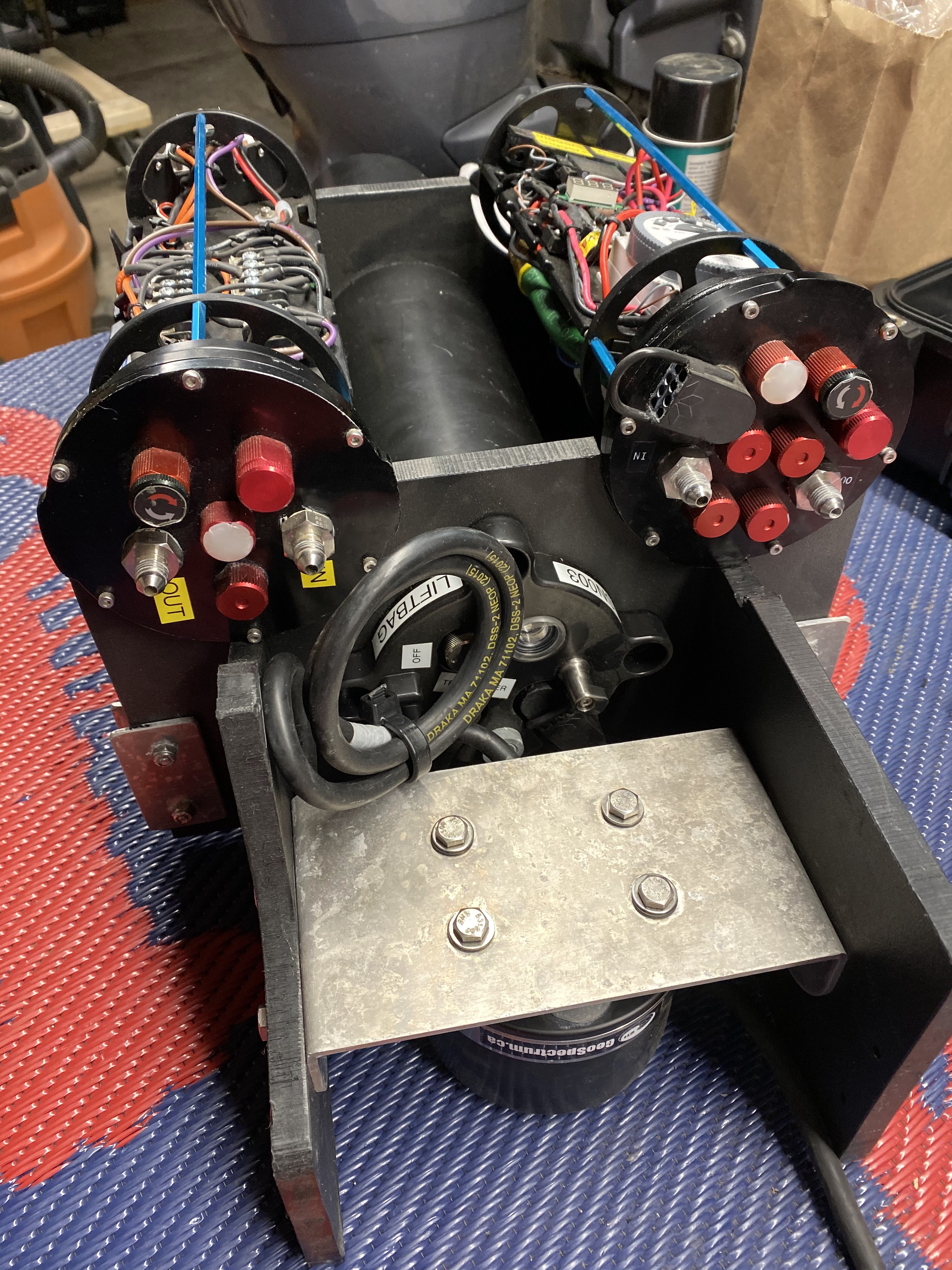
By 2019, the core architecture of the modern system had been established. The combination of high-pressure air, controlled lift bag deployment, and acoustic triggering formed the foundation of the current product line. From that point forward, development focused on improving reliability, repeatability, and performance.
February 2019
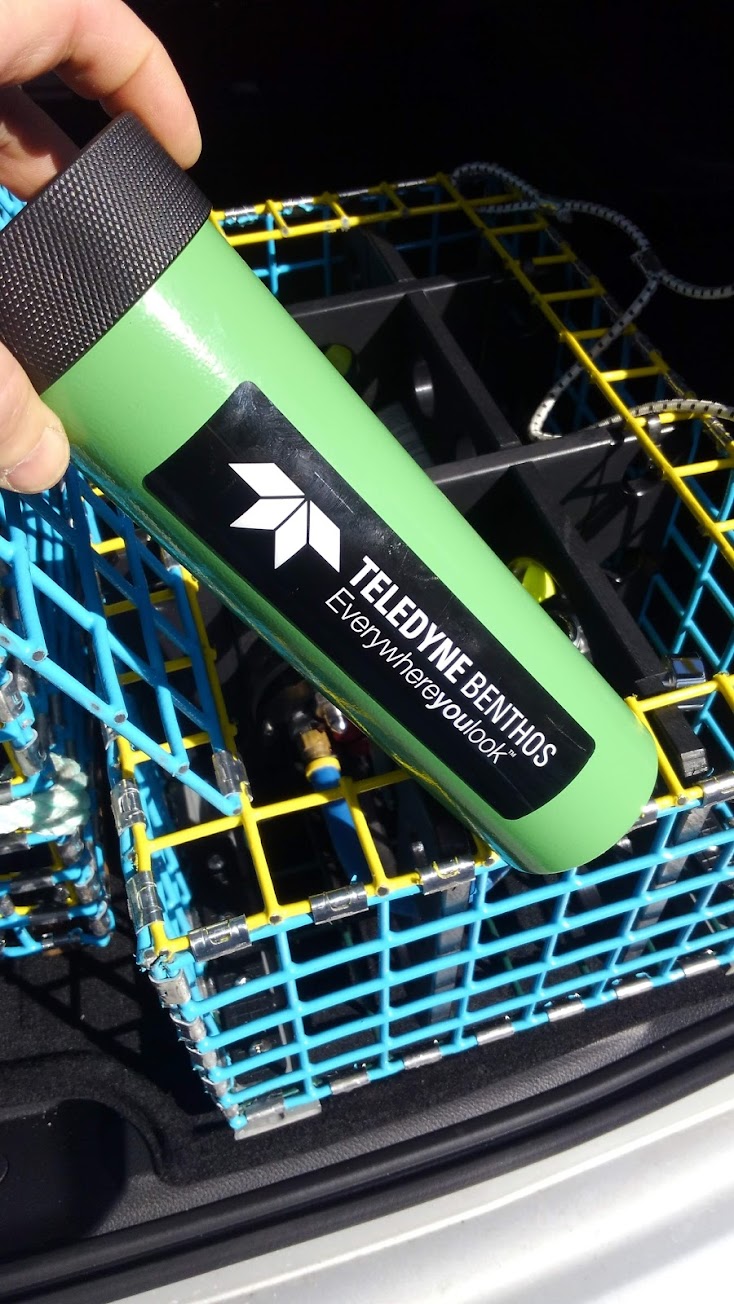
in 2019, SMELTS began collaborating with Teledyne Marine, an industry leader in subsea technology, to develop a Lift-Raft using the Teledyne Compact Modem.
March 2019
The first SMELTS units deployed through the Northeast Fisheries Science Center gear library marked an important step in making the technology accessible to harvesters. These units helped establish the foundation of the gear library itself, which emerged from discussions within the Ropeless Consortium about the future of gear ownership.

Rather than requiring individual investment, the gear library model made advanced ropeless systems available for shared use, lowering barriers to adoption and accelerating real-world testing in active fisheries.
April 2019
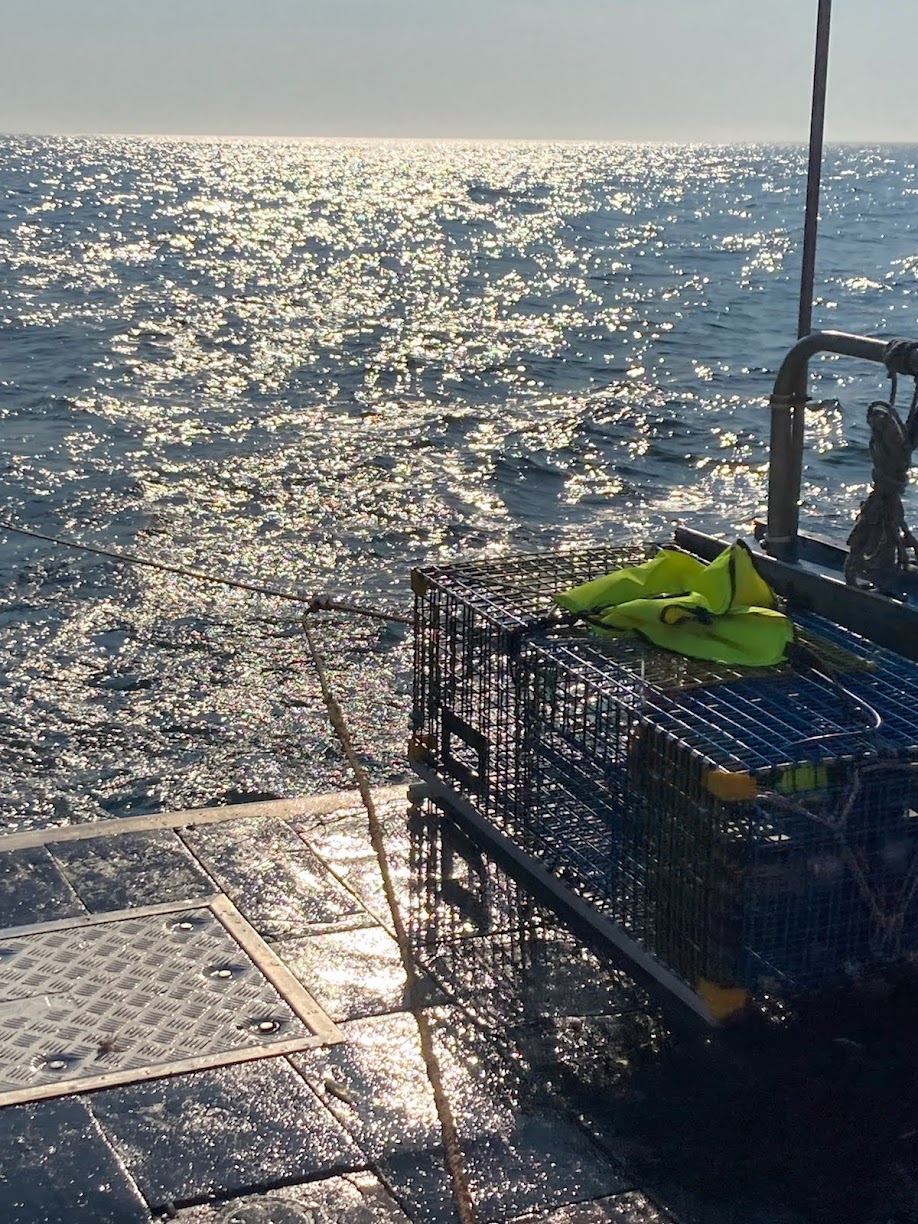
SMELTS continued to test gear alongside commercial harvesters to continue to prove and improve the Lift-Raft platform.

Collaborating closely with fishermen ensures that solutions are practical, reliable, and grounded in real-world conditions, ultimately driving adoption and long-term success in the fishery.
July 2019
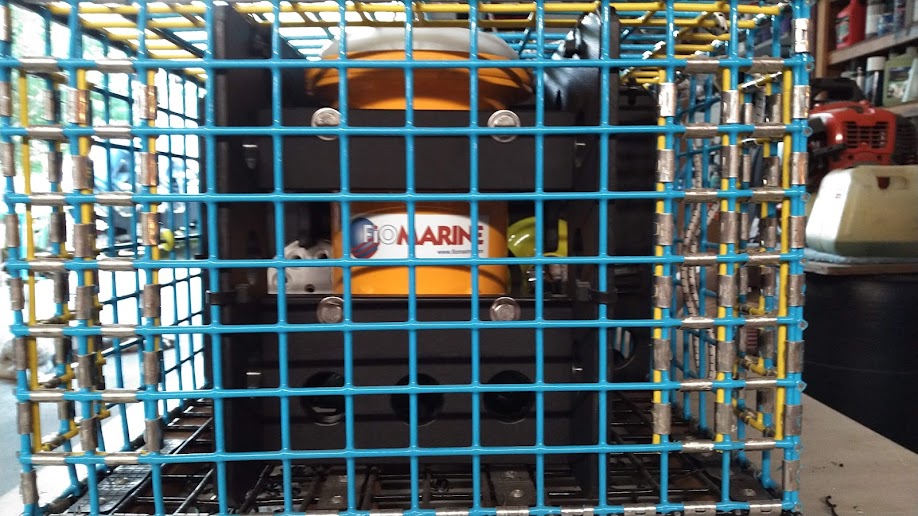
With support from PEW, SMELTS began work with Fio Marine to create the first acoustic modems with a timed release.
August 2019
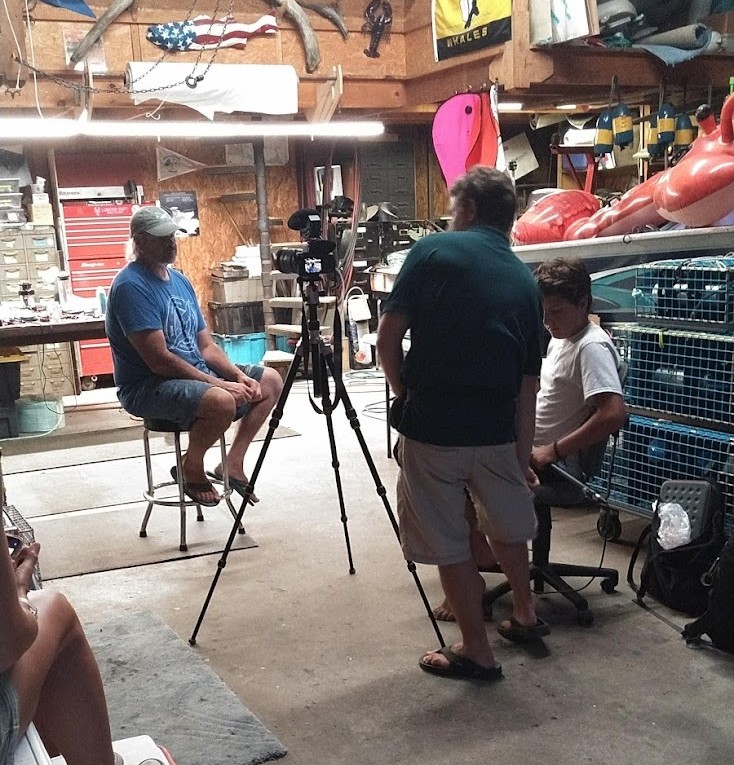
In the summer of 2019, SMELTS was featured in the award winning film Entangled, a documentary style feature length film focused on the efforts being taken to protect right whales from extinction
November 2019
SMELTS developed and tested new offshore Lift-Rafts, with larger lift bags and more air capacity. These offshore units aimed to provide a easy to use solution for harvesters in deep waters
December 2019
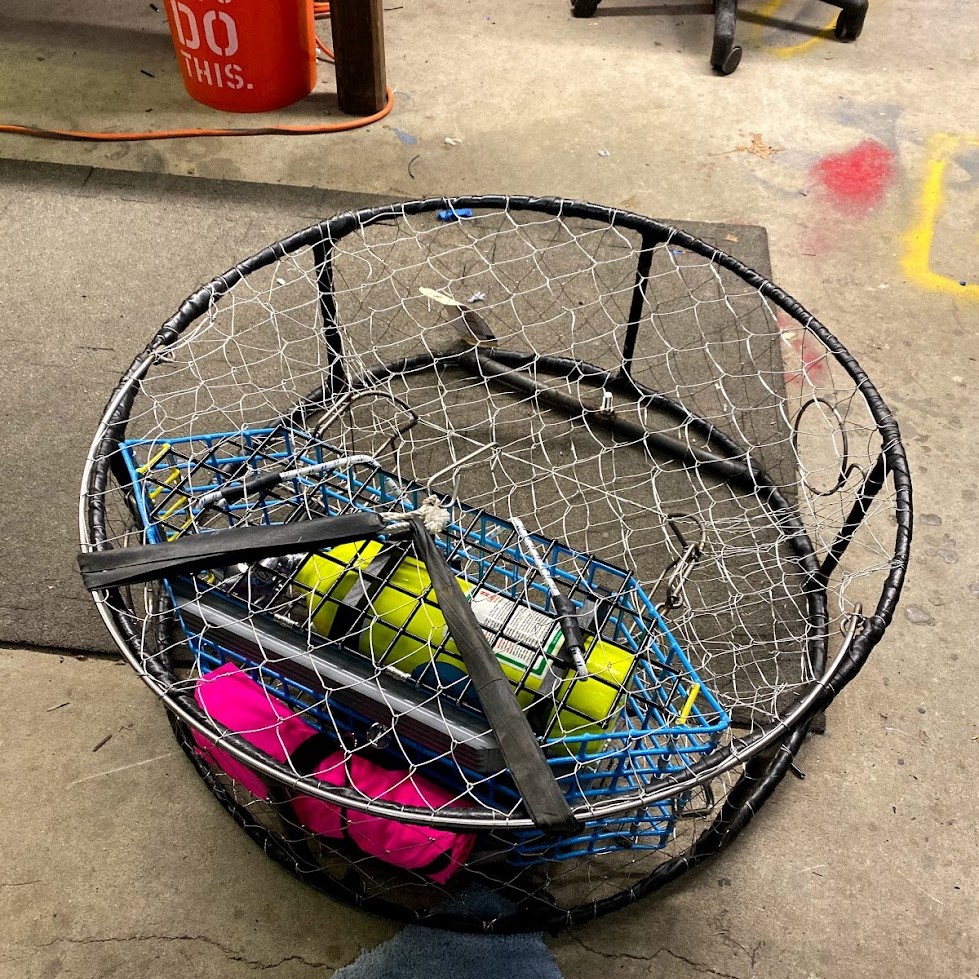
The Crab-Raft was developed for use in crab fisheries, marking SMELTS’ expansion into additional fisheries and the beginning of broader applications across new markets and industries.
January 2020
SMELTS partnered with Blue Ocean Gear, developers of the Smart Buoy system for longline fisheries. Through this work, SMELTS identified the potential for satellite-connected buoys to be applied to bottom-set gear, addressing a key requirement for reliable gear marking in support of ropeless deployment.
August 2020
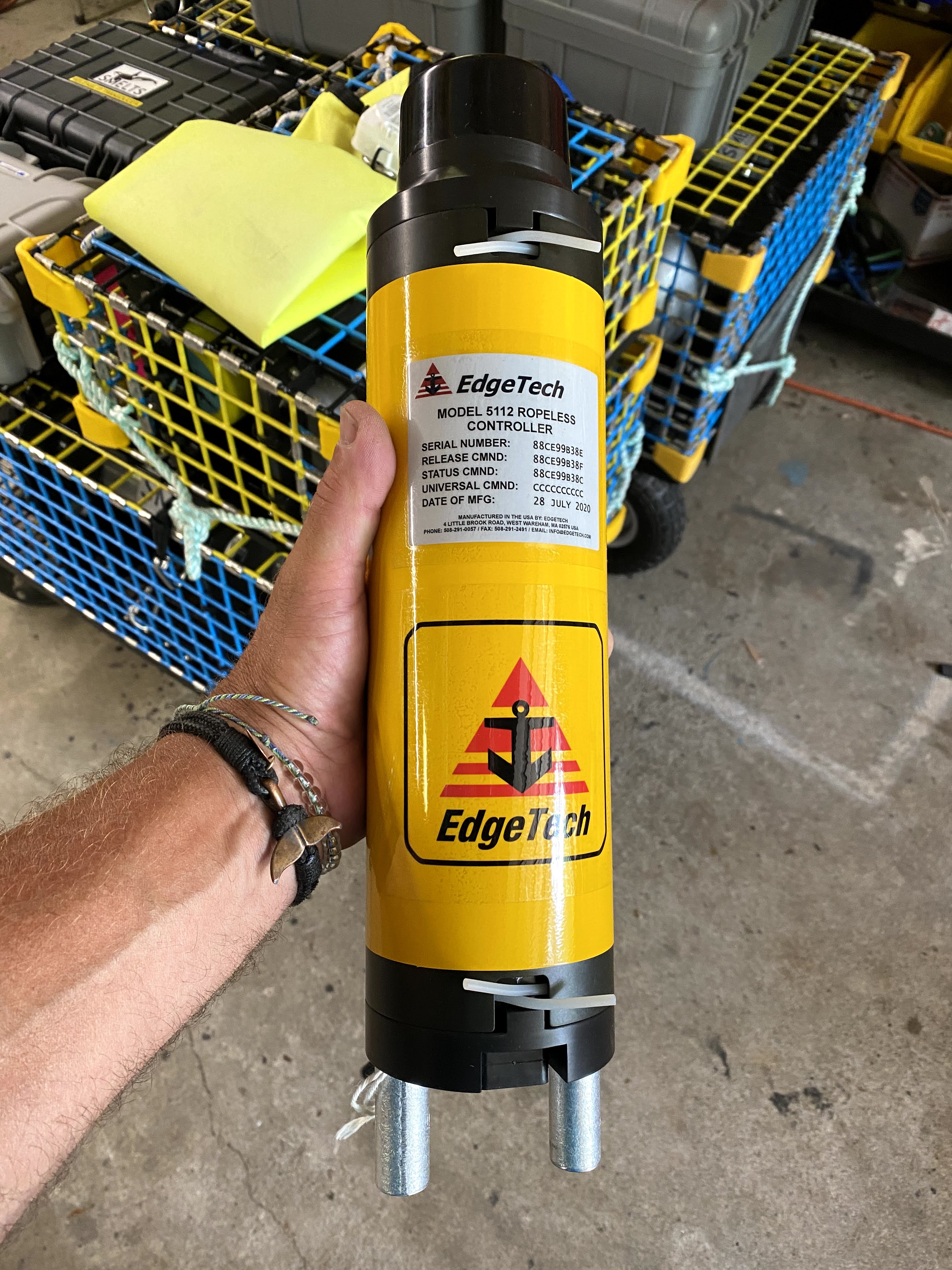
In the summer of 2020, SMELTS partnered with EdgeTech to adapt & develop the 5112 acoustic release for on-demand fishing. The 5112 acoustic release provided a robust solution for the Lift-Raft technology, and ended up becoming one of the most widely-deployed acoustics packages.
February 2021
In collaboration with Jasco Applied Sciences, SMELTS builds the Whale Recorder Raft, which houses hydrophones and listening technology capable of recording whales.
June 2021
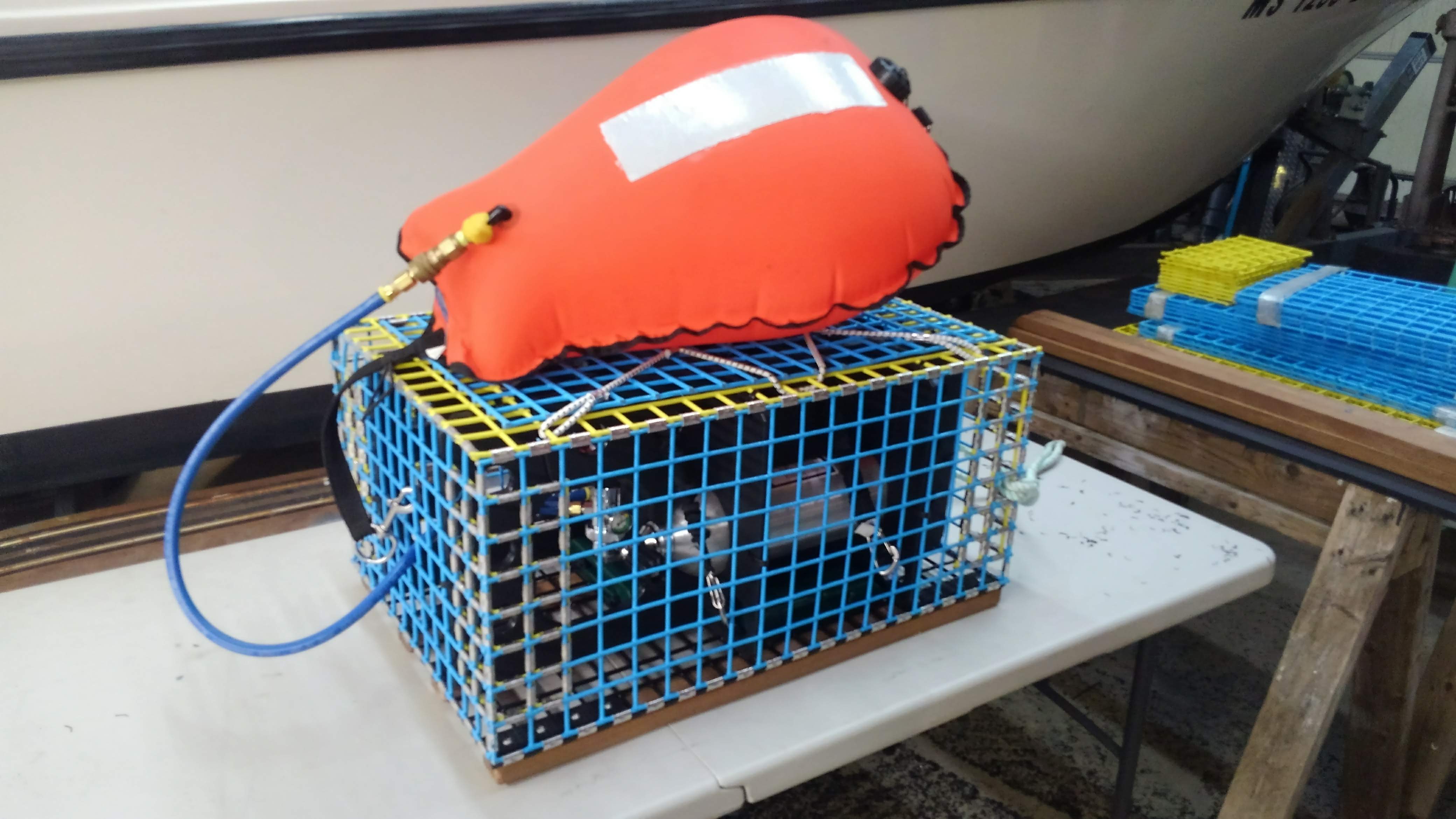
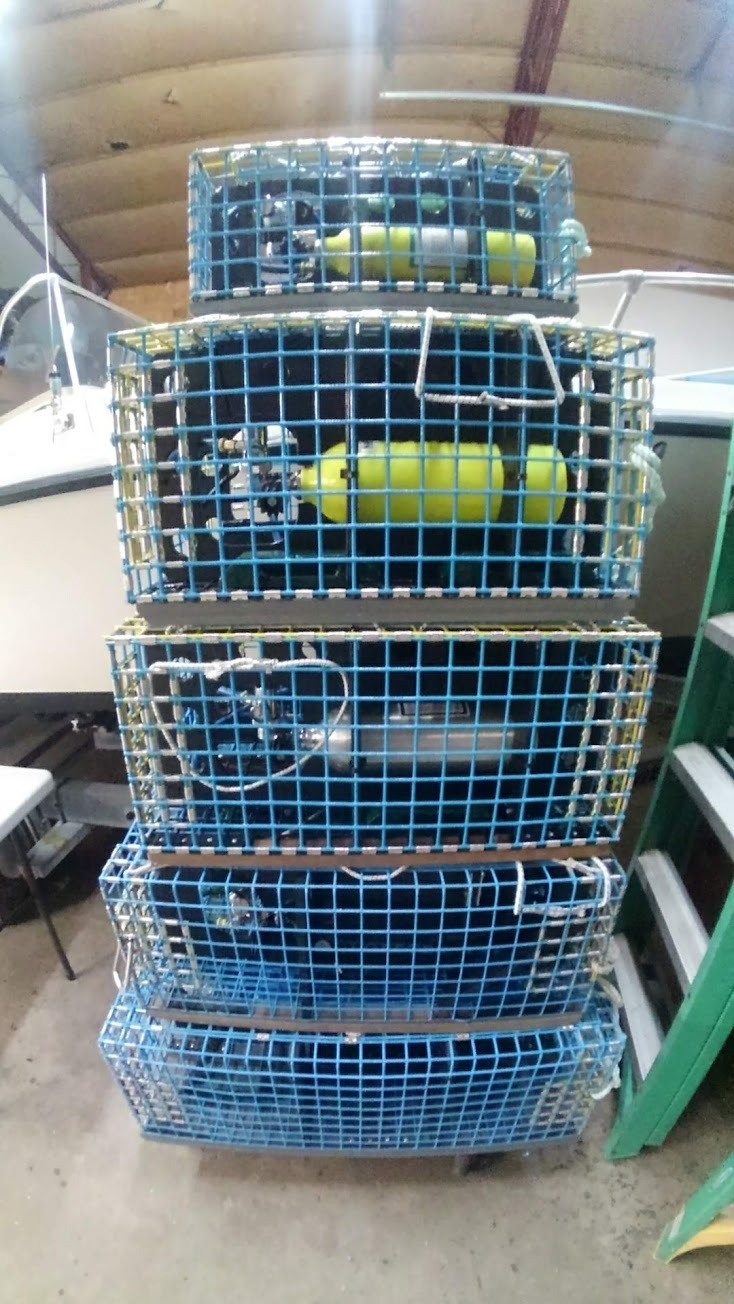
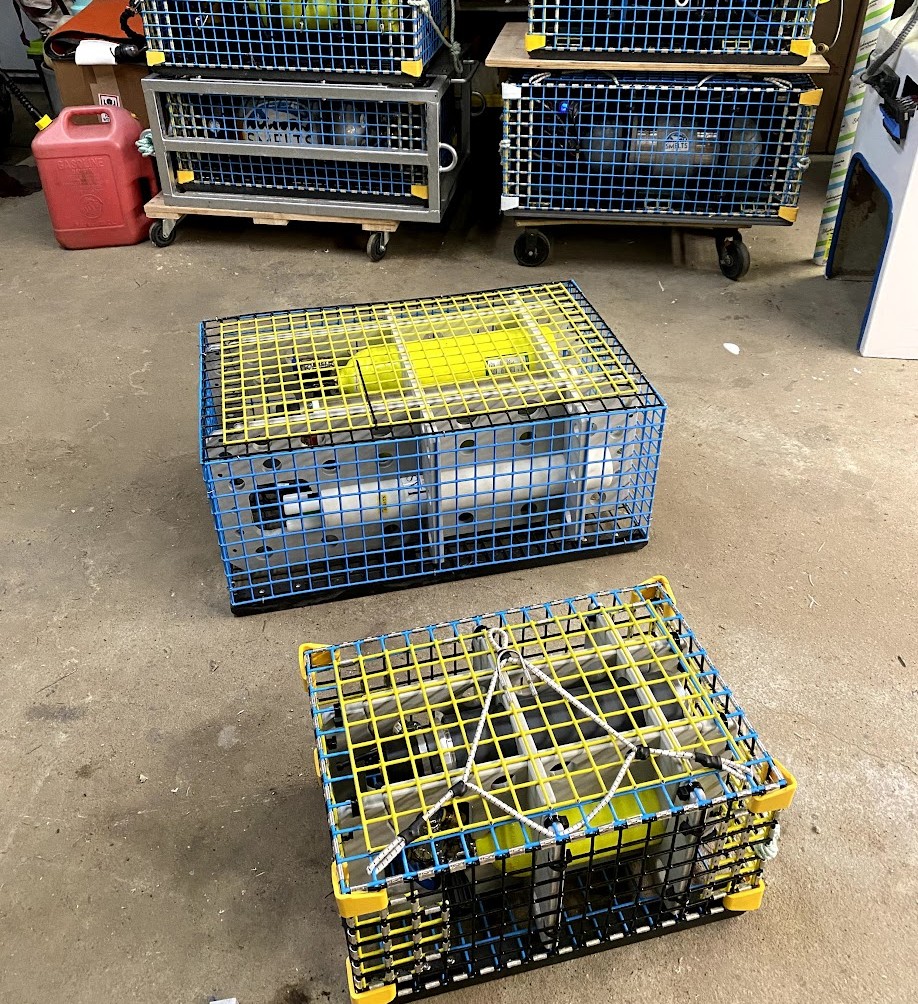
SMELTS continues to develop and test new gear in the pursuit of reliabile & durable solutions. The Fishable trap is tested, which houses all the necessary lifting components in a conventional lobster trap.

By this point, SMELTS has built ~35 unique Lift-Rafts, and production continues to increase as the demand increases.
June 2021
SMELTS continues to develop and test new gear in the pursuit of reliabile & durable solutions. The Fishable trap is tested, which houses all the necessary lifting components in a conventional lobster trap.

By this point, SMELTS has built ~35 unique Lift-Rafts, and roduction begins ramping up as the demand increases.