Reducing Risk Below the Surface

SMELTS focuses on developing technologies that reduce harmful interactions between marine life and active fishing operations. Rather than relying on passive systems, our approach centers on controlled, on-demand retrieval and improved visibility of subsea gear. These systems are designed and tested in real conditions, with the goal of reducing risk while maintaining practical use in working fisheries.
In many fisheries, persistent vertical lines and surface gear create conditions where unintended interactions can occur. These conditions are not constant, but they exist across active fishing areas and vary depending on location, season, and fishing method. Addressing this requires solutions that work within existing environments, rather than relying on theoretical models or controlled scenarios.
In areas where closures are implemented to reduce risk, maintaining access to fishing grounds becomes a significant challenge. These restrictions are often necessary, but they can limit where and how gear is deployed using traditional methods. Systems that remove persistent surface presence and rely on controlled retrieval provide a way to operate within these constraints. By allowing gear to remain out of the water column until actively hauled, this approach supports continued fishing activity in areas where conventional gear configurations may not be viable.
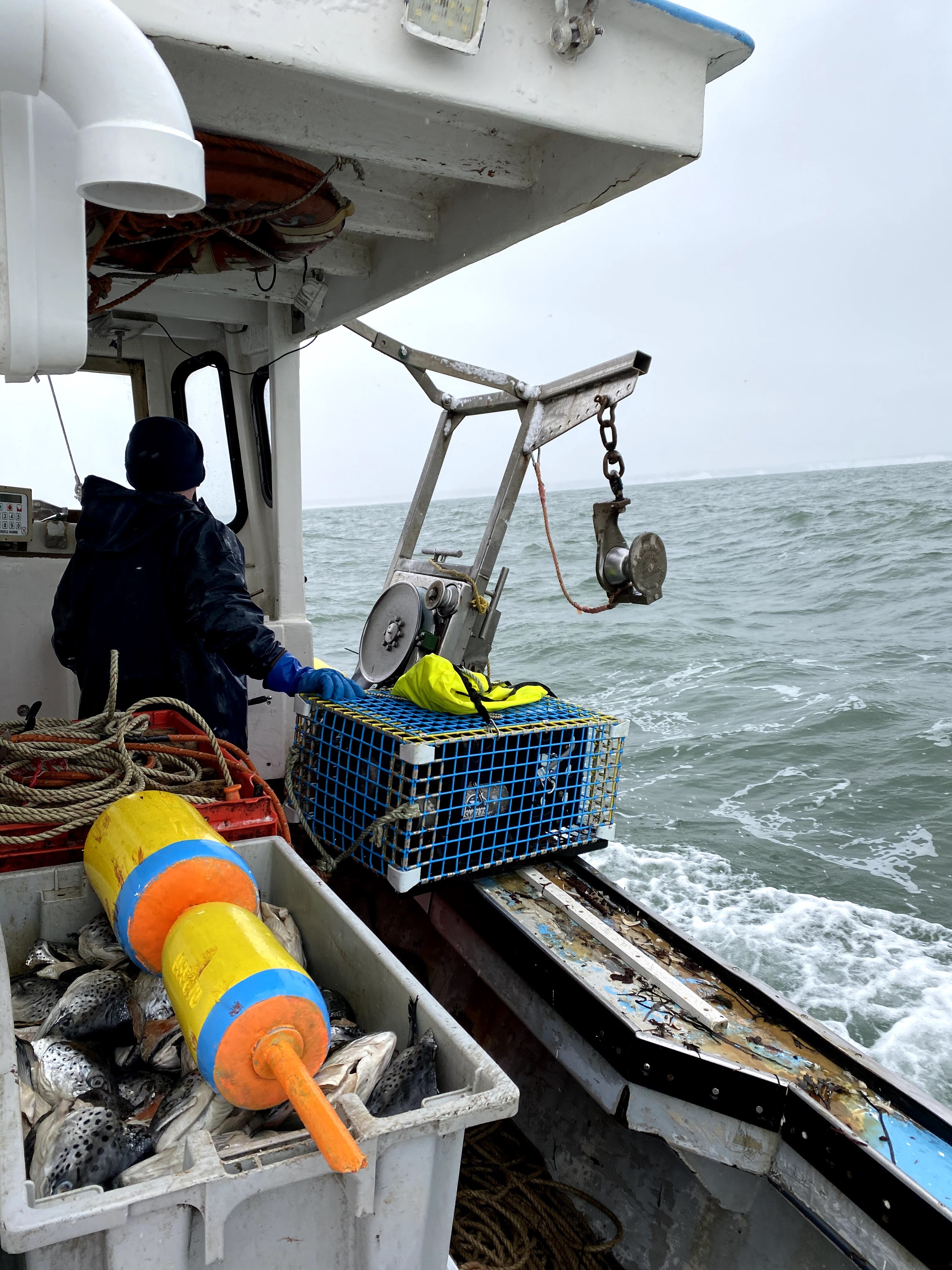
SMELTS systems are designed to remove continuous surface presence by allowing gear to remain on the seafloor until it is actively retrieved. Acoustic activation replaces constant exposure, while digital reporting maintains visibility of gear without the need for permanent markers. This approach reduces the physical footprint of gear in the water column while maintaining accountability and control.
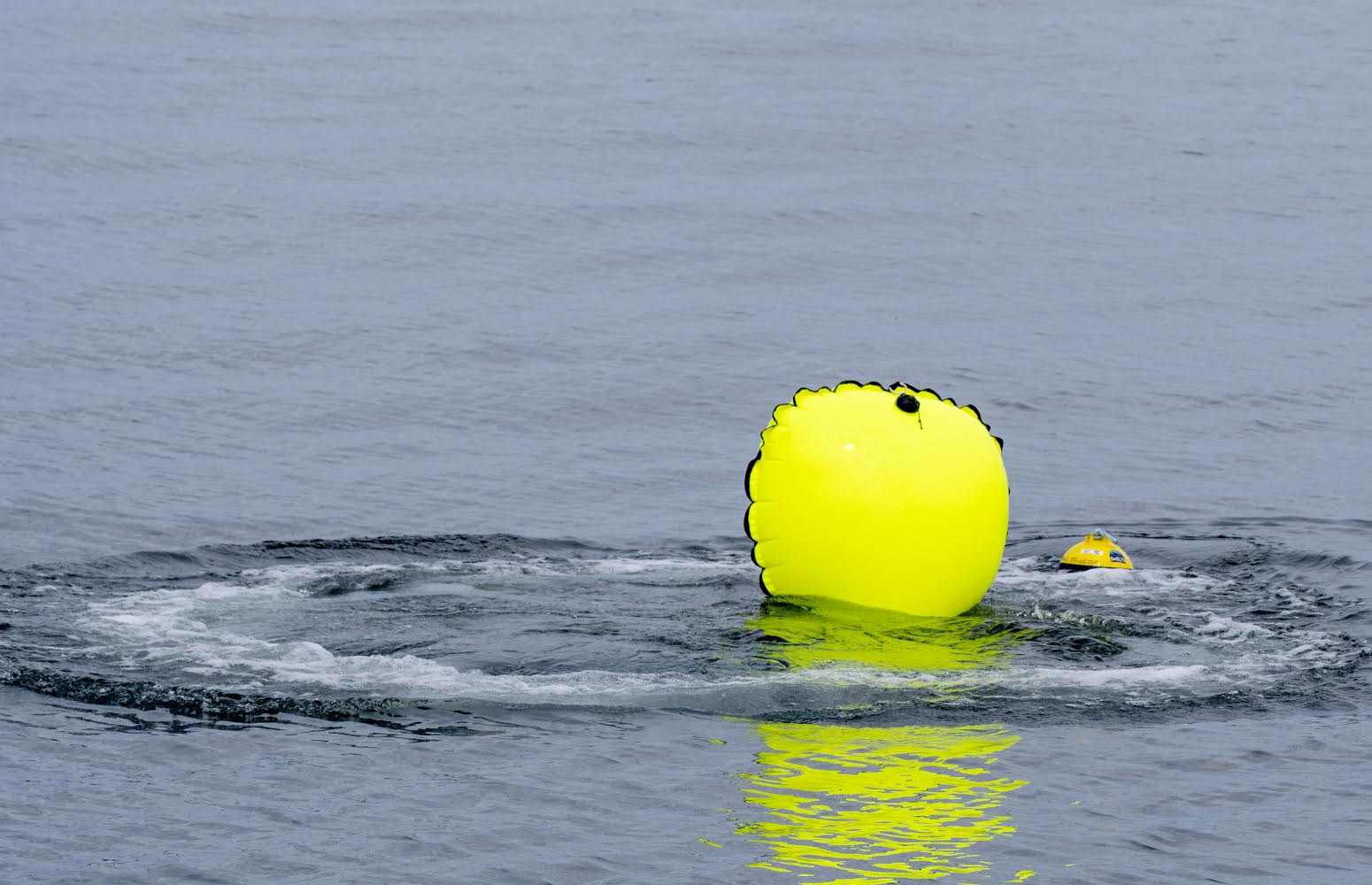
Whale conservation is not approached as a single solution, but as a continuous process of design, testing, and refinement. By focusing on practical systems that reduce exposure and improve control, SMELTS contributes to ongoing efforts to minimize harmful interactions while supporting the long-term use of working fisheries.

1003 Iowa Heights Road
Sedro Woolley, WA 98284
360-303-9388
info@smelts.org