
Impact Across the Industry
SMELTS technologies are being developed and deployed within active fisheries to address real operational challenges. From gear management to deployment methods, these systems introduce new approaches that change how fishing operations are carried out on the water. The impact is not theoretical, but observed through field use, testing, and collaboration with industry partners.
SMELTS technologies are being developed and used within active fisheries, with a strong presence in bottom set fixed gear operations such as lobster and crab, as well as select gill net applications. These systems are not being evaluated in isolation, but in real working conditions alongside traditional gear. This has allowed direct feedback from harvesters to shape system design, deployment methods, and day to day use.
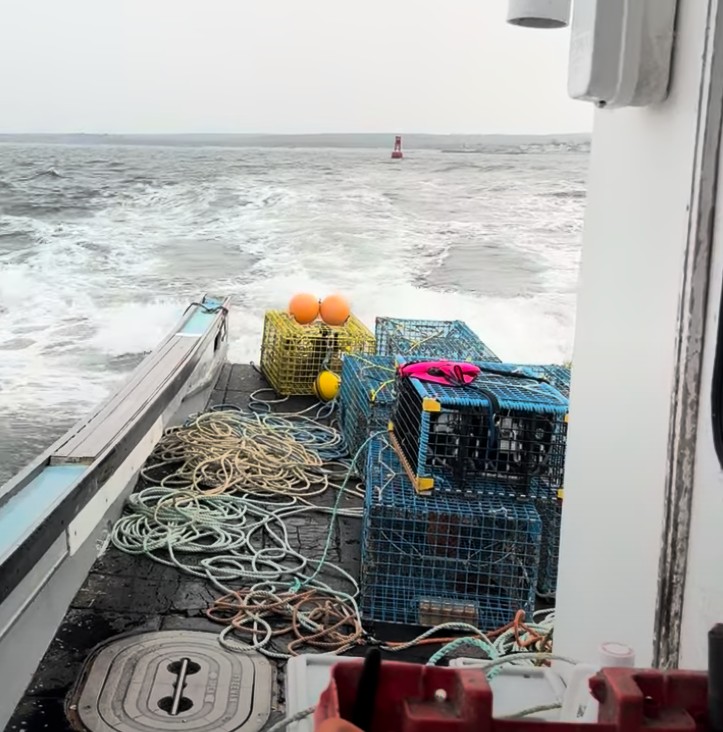
From early development, SMELTS systems have been tested in collaboration with fishermen, including deployments in restricted and closed fishing areas. This has provided practical insight into how the technology performs under real conditions, rather than controlled demonstrations. Continuous testing with industry partners has led to incremental improvements in reliability, handling, and overall system design.
SMELTS was among the first to introduce lift-based retrieval systems using integrated air and lift bag technology. This approach has since become a recognized method for subsea gear recovery. Early adoption and repeated field use have helped establish a foundation for how these systems are built and evaluated within the industry today.
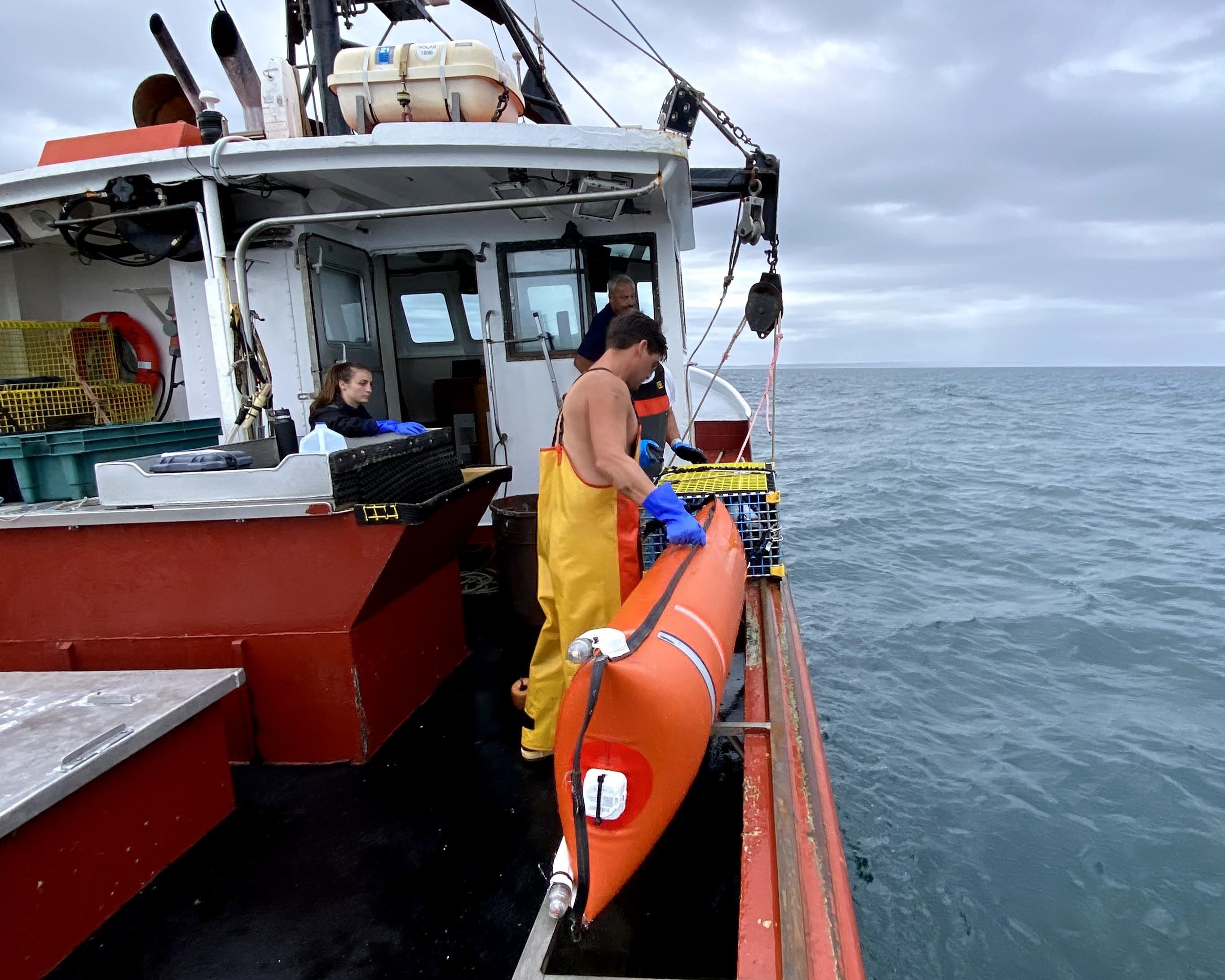
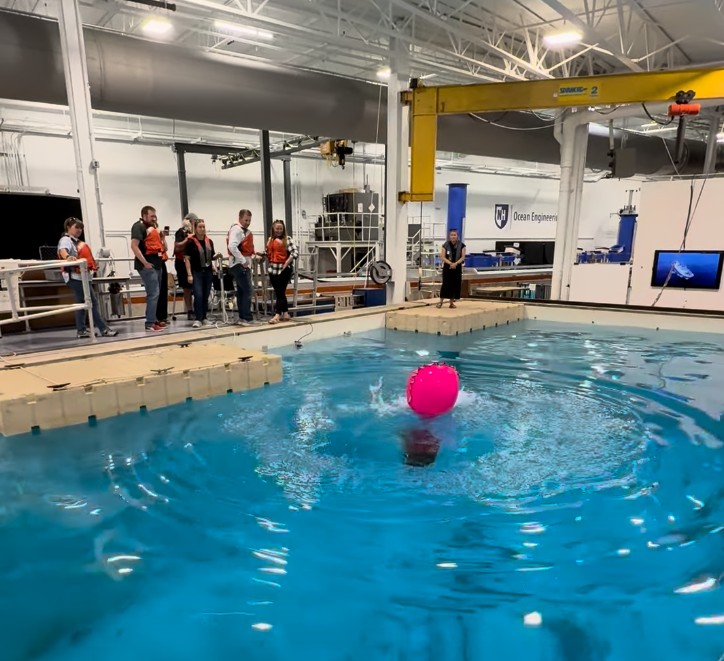
In addition to fisheries applications, SMELTS actively supports the testing and validation of marine technologies through collaboration with research organizations and developers. This includes work with acoustic whale detection systems and vessel collision avoidance technologies, where the focus is on real-world testing and performance verification. The ability to deploy, monitor, and recover systems at sea allows these technologies to be evaluated under actual operating conditions.
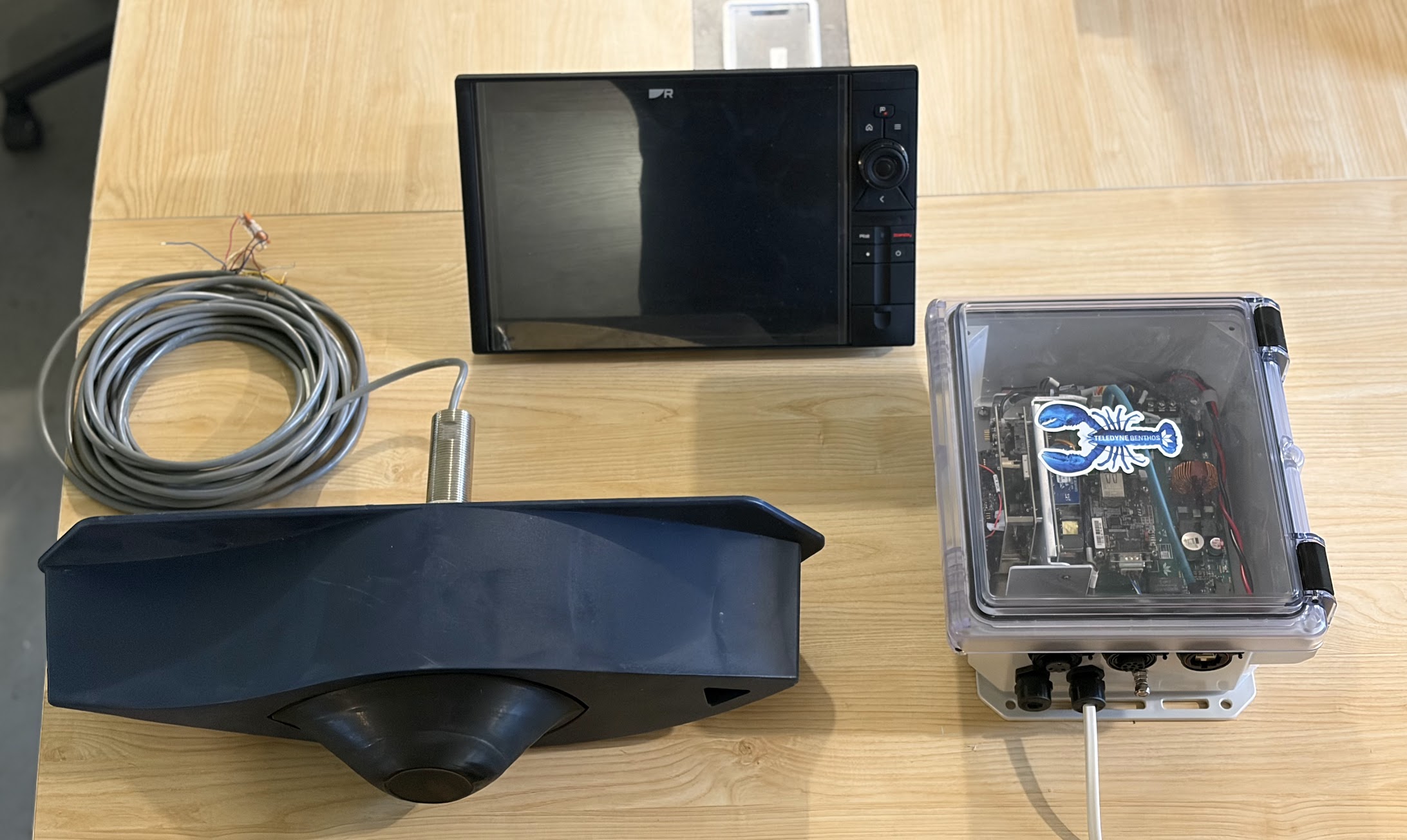
Acoustic gear marking is currently being used to determine the true position of gear on the seafloor rather than relying solely on the surface drop location. By communicating with the unit during descent, directional acoustic systems can account for drift and current, providing a more accurate representation of where gear is actually set. This information is displayed on compatible navigation systems and, when combined with cloud reporting, allows nearby users to see active gear within a defined range. In practice, this improves awareness between fixed gear and mobile operations while maintaining controlled visibility of gear locations.

1003 Iowa Heights Road
Sedro Woolley, WA 98284
360-303-9388
info@smelts.org