Sustainability By Design
Sustainability at SMELTS is not an added feature, it is a design constraint. Every system we develop is engineered to reduce persistent surface infrastructure, extend service life, and modernize how subsea equipment is deployed and managed. Our approach combines mechanical durability, digital visibility, and operational efficiency to support responsible marine operations.
On-demand systems eliminate the need for persistent vertical buoy lines and surface markers. By removing continuous surface exposure, the operational footprint of bottom-set gear is significantly reduced. Vessel traffic interference, visual clutter, and long-term line exposure are minimized through controlled acoustic activation and retrieval. The system replaces passive surface presence with active, intentional deployment and recovery.
%20Zack%20Klyver.%20%20Ropeless%20gear%20syst...%20Lighthouse%2C%20Frenchman%20Bay..jpg)
SMELTS systems are built for repeated deployment in demanding marine environments. Pressure-rated housings, modular components, and field-serviceable hardware reduce the need for full system replacement. Core subsystems can be inspected, repaired, and upgraded independently, extending operational lifespan and minimizing material waste. Design decisions prioritize durability and maintainability over disposability, ensuring that equipment remains viable across multiple seasons and evolving integration standards.
Lift-Raft systems are engineered for efficiency across both air and power consumption. Tank volumes and lift bag capacities are optimized to maximize retrieval cycles per fill, reducing refilling frequency and vessel downtime. Hardware refinements and battery management improvements extend deployment duration while conserving energy. Efficiency at the system level translates directly into reduced operational overhead and more predictable maintenance intervals.
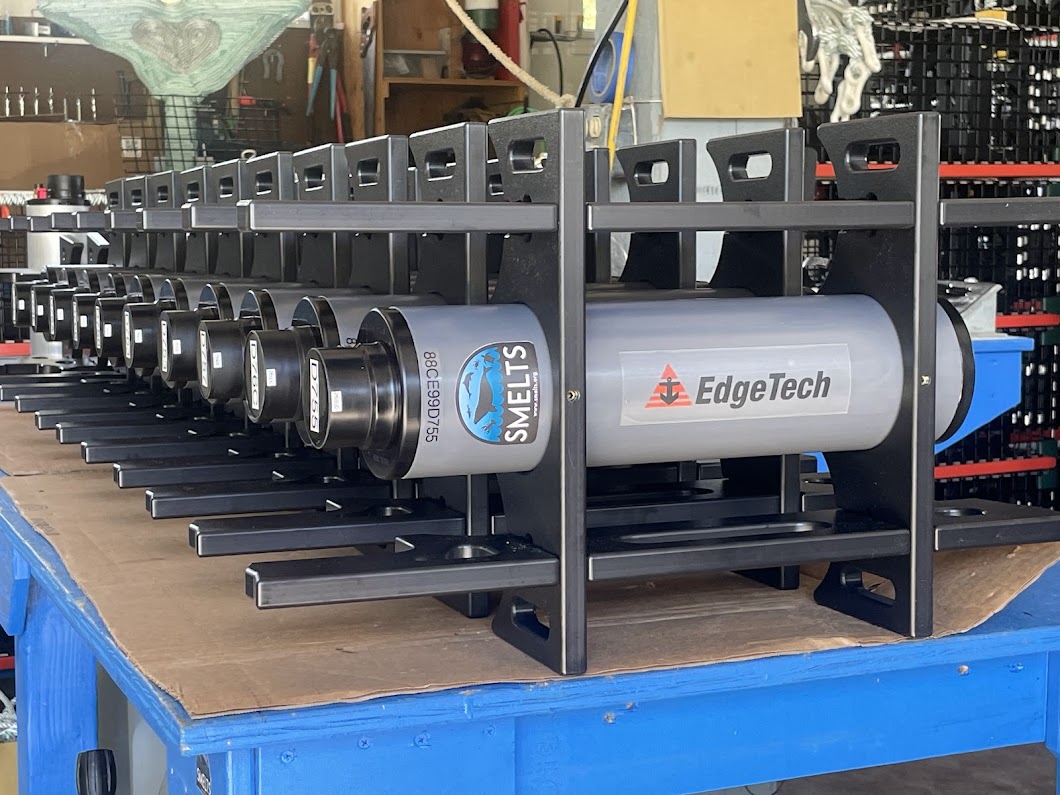
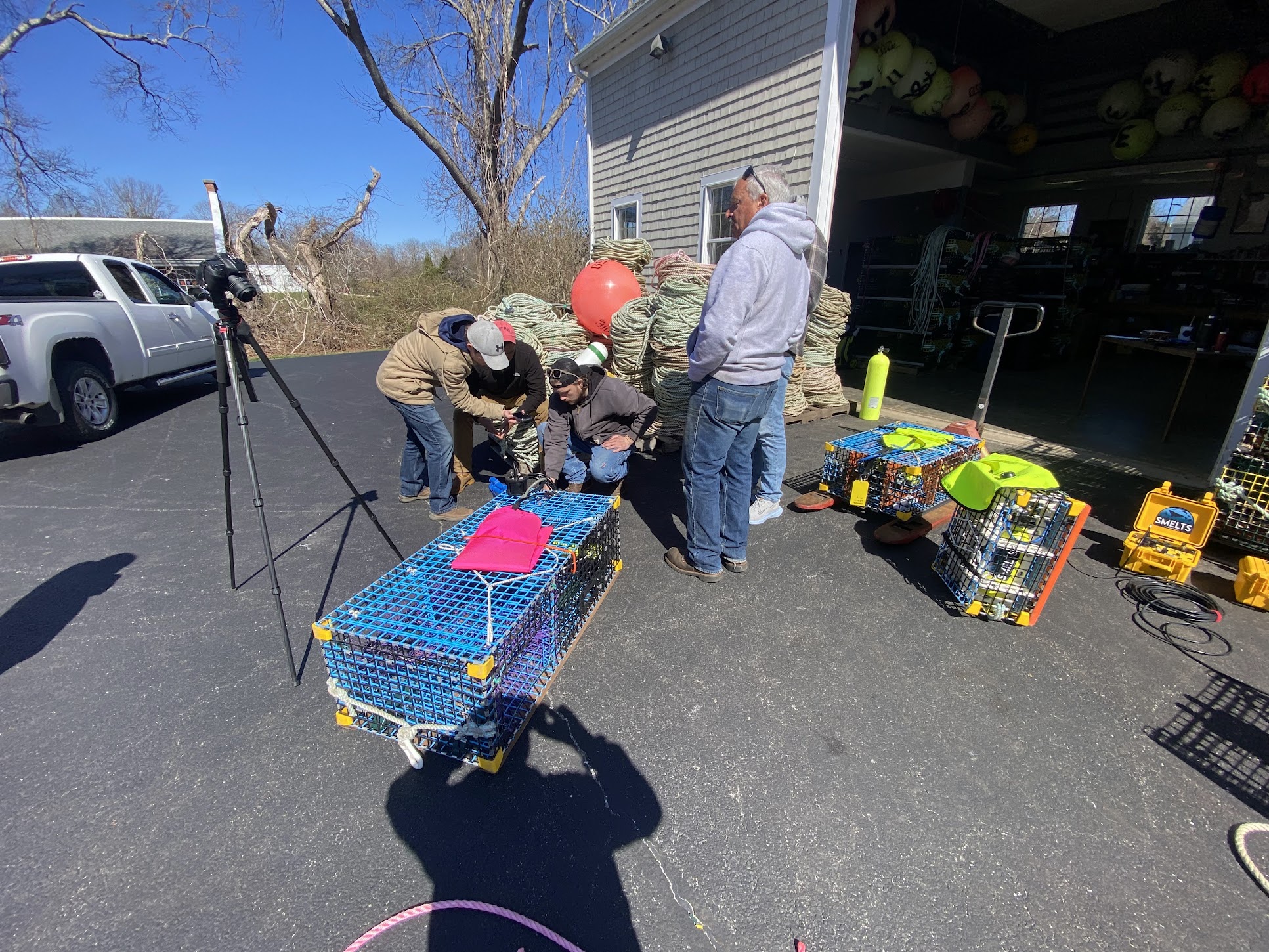
SMELTS is committed to researching and developing technologies that reduce harmful human interaction with marine life while modernizing subsea operations. We actively collaborate with researchers, industry partners, and coastal communities to demonstrate responsible deployment methods and share operational knowledge. Our mission extends beyond manufacturing systems; it includes education, field validation, and ongoing technical refinement to support sustainable marine practices.

1003 Iowa Heights Road
Sedro Woolley, WA 98284
360-303-9388
info@smelts.org